Revolutionary AI Reveals Ancient Bird-Like Footprints That Could Rewrite Avian Evolution
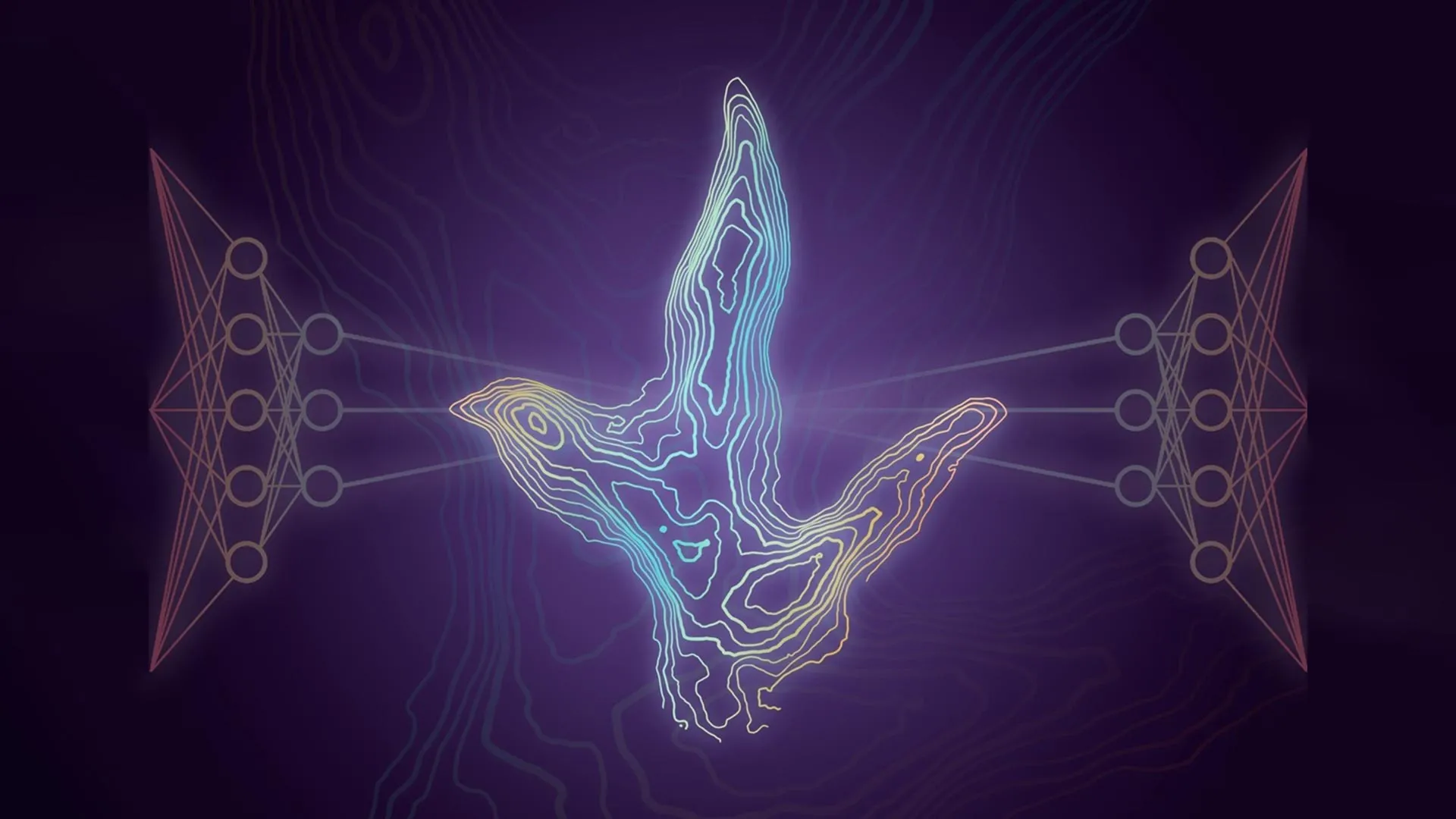
A groundbreaking artificial intelligence application is transforming our understanding of prehistoric life by analyzing fossilized footprints with remarkable precision. The DinoTracker system can examine photographs of ancient tracks and identify which dinosaur species created them, matching the accuracy of seasoned paleontologists who have spent decades studying these geological treasures.
The technology's most startling discovery involves footprints that display distinctly bird-like characteristics, preserved in rock formations dating back over 200 million years. These ancient impressions suggest that the evolutionary pathway leading to modern birds may have begun much earlier than previously believed, potentially reshaping our entire understanding of avian origins.
This finding has profound implications for bird conservation and biodiversity research. By pushing back the timeline of bird evolution deeper into Earth's prehistoric past, scientists gain valuable insights into how these remarkable creatures developed their unique adaptations for flight, migration, and survival. Understanding the ancient roots of avian evolution helps researchers better comprehend the genetic foundations that make birds one of the most diverse and successful animal groups on our planet today.
The AI's ability to detect subtle patterns in fossilized tracks that human experts might overlook opens new avenues for paleontological discovery. As researchers continue to apply this technology to fossil sites worldwide, we may uncover additional evidence that further illuminates the evolutionary journey from ancient dinosaurs to the thousands of bird species that grace our skies today.
Source: ScienceDaily — Birds
View on EarthAtlas