Viral Japanese Macaque Highlights the Dark Side of Zoo Entertainment and Wildlife Captivity
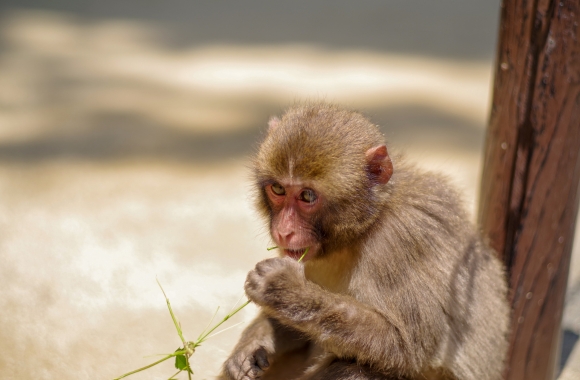
A baby Japanese macaque named Punch has become an internet sensation after being rejected by his mother and subsequently bullied by other monkeys at Japan's Ichikawa City Zoo. The young primate's story has captured global attention, but wildlife experts warn that his viral fame exemplifies serious problems with keeping wild animals in captivity for public entertainment.
Punch was hand-reared by zookeepers for six months after his mother abandoned him following a difficult birth during a heat wave. When introduced to the troop in January 2024, he struggled to integrate and often sought comfort from his human caretakers or a stuffed orangutan toy. Images of the isolated macaque clinging to his plush companion sparked widespread sympathy online, but also revealed the harsh realities of zoo life.
The viral attention has more than doubled visitor numbers to Ichikawa City Zoo, forcing staff to issue crowd control warnings. Punch lives in a concrete enclosure called Monkey Mountain with 55 other Japanese macaques—conditions that wildlife advocates argue are overcrowded and unnatural. Unlike in the wild, where rejected offspring can escape or find refuge, captive environments offer no respite from social rejection and bullying.
The phenomenon extends beyond individual animal welfare concerns. Viral wildlife stories often fuel demand for exotic pets, with social media influencers already offering substantial sums to acquire Punch. This pattern demonstrates how entertainment-focused animal captivity can perpetuate cycles of exploitation, breeding more generations of wild animals for profit while compromising their natural behaviors and social structures.
Source: Born Free USA
View on EarthAtlas