Wildlife Conservation Gains Momentum in 2026 with Ocelot Recovery and Indonesia's Elephant Protection Ban
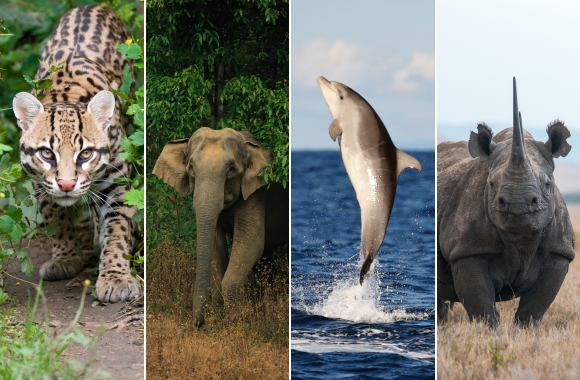
As 2026 begins, promising developments in wildlife conservation offer renewed hope for threatened species across the globe. Two significant breakthroughs highlight the potential for meaningful progress in protecting vulnerable animals and their habitats.
In South Texas, the critically endangered ocelot population shows encouraging signs of recovery after decades of decline. Trail cameras at Laguna Atascosa National Wildlife Refuge recently captured footage of these elusive spotted cats, marking confirmed sightings in early 2026. The subspecies found in South Texas faces federal endangered status, with fewer than 100 individuals estimated to remain in the wild throughout the United States. Historical threats including habitat loss, fragmentation, hunting, and competition with other species have pushed these beautiful wildcats to the brink of extinction. The recent sightings suggest conservation efforts may be helping stabilize this precarious population.
Meanwhile, Indonesia has implemented a groundbreaking animal welfare policy by officially banning all elephant riding activities across the country, including popular tourist destinations in Bali and Sumatra. The comprehensive ban, effective January 2026, applies to zoos, safari parks, and all tourism facilities. This landmark decision addresses the severe physical and psychological harm caused by forcing elephants to carry human riders, including spinal damage, musculoskeletal injuries, and chronic stress. Facilities violating the ban risk losing their operating permits, encouraging a shift toward ethical, observation-based wildlife tourism that allows elephants to exhibit natural behaviors without harmful human interaction.
These developments reflect growing global recognition that effective wildlife conservation requires both habitat protection and elimination of exploitative practices that threaten already vulnerable species.
Source: Born Free USA
View on EarthAtlas