Wildlife Ranger's Legacy Highlights Conservation Challenges in Post-Conflict West Africa
In the dense forests of Sierra Leone, where chimpanzees once swung freely through the canopy and elephants roamed ancient paths, a quiet battle against wildlife crime unfolds daily. The reality of conservation work in West Africa reveals itself through cramped cinderblock offices with barred windows, where seized elephant tusks lie on floors beneath battered desks, and dedicated rangers patrol vast territories on foot or bicycle.
The challenges facing wildlife protection in post-conflict West Africa are immense. Rangers often work for days to reach remote crime scenes, only to find that illegal poachers and traffickers have long since disappeared into the forest. Without reliable electricity, internet access, or adequate transportation, conservation officers must rely on determination and resourcefulness rather than modern technology. Yet despite these overwhelming obstacles, local wildlife authorities continue their mission to preserve the region's rapidly disappearing biodiversity.
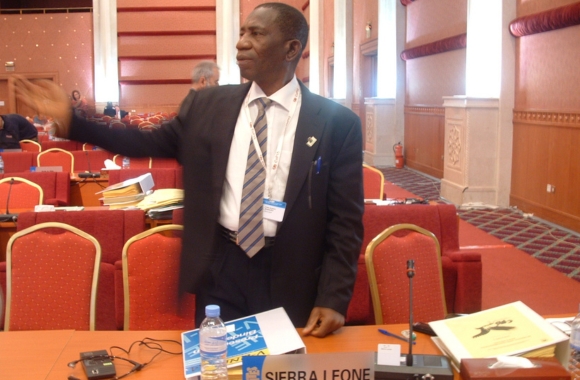
The trafficking of live chimpanzees and elephant ivory represents just a fraction of the illegal wildlife trade devastating West African ecosystems. From Sierra Leone to Guinea, sparse resources and minimal funding create an uphill battle for those working to protect endangered species. The story of one Sierra Leonean forestry official exemplifies this struggle – working without adequate pay for years, traveling to international wildlife conferences to advocate for his country's natural heritage, and ultimately dying of malaria and typhoid while conducting fieldwork. His legacy serves as a powerful reminder that even small-scale conservation efforts can make significant impacts when backed by unwavering dedication and proper support.
Source: Born Free USA
View on EarthAtlas