Wildlife Training Programs Combat Illegal Trafficking Through Hands-On Education for Border Officials
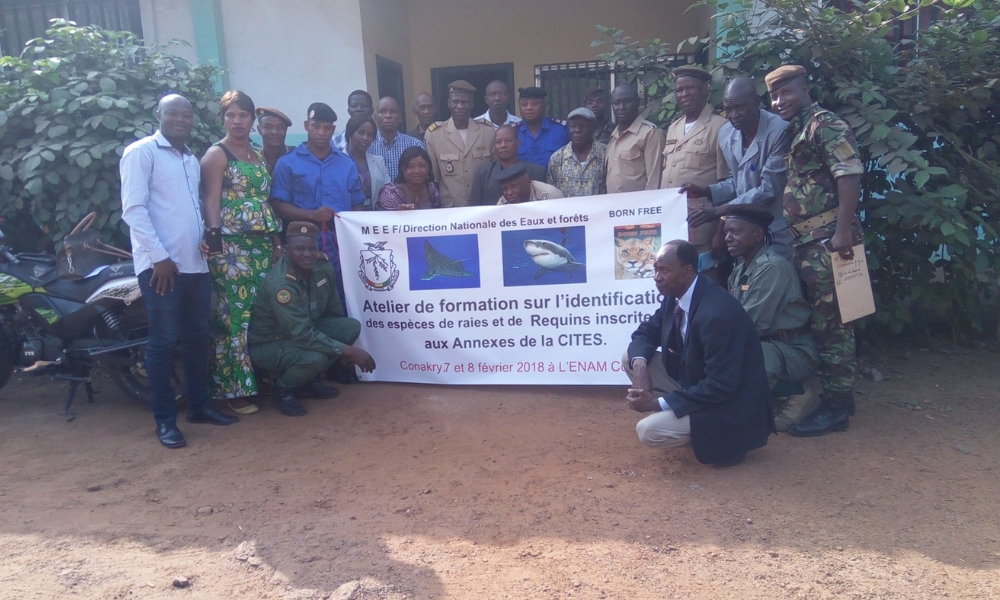
In a stuffy hotel conference room in Dakar, Senegal, customs officials gathered for an unusual wildlife law enforcement training that would engage all their senses. Unlike typical classroom sessions, this program featured seized shark fins, fish bladders, and sea turtle parts—providing rare hands-on experience with the very specimens traffickers attempt to smuggle across borders.
The training addressed a critical challenge in wildlife protection: teaching border guards and customs agents to distinguish between legal and illegal wildlife products without access to physical specimens. Identifying the difference between fins from endangered sharks versus legally exportable species proves nearly impossible through photos alone, especially when traffickers often process animals in remote locations, keeping only the most valuable parts for black market sales.
This intensive week-long program represented part of a broader effort that has trained over 1,500 customs agents, park rangers, border guards, prosecutors, and judges throughout West Africa. The training equips officials with essential skills to recognize, seize, and prosecute cases involving illegally trafficked wildlife. High-quality identification guides produced specifically for the region have already contributed to numerous successful seizures of trafficked animals and animal parts.
The train-the-trainer format amplifies the program's impact, as participants return to their home countries to educate colleagues using newly acquired knowledge and techniques. Despite the challenging conditions—including increasingly pungent specimens in the hot conference room—these educational initiatives continue expanding across the region, supporting expert mentoring panels and building local capacity to combat the illegal wildlife trade that threatens marine ecosystems and endangered species worldwide.
Source: Born Free USA
View on EarthAtlas