World's Most Trafficked Mammal Gets New Protection as Pangolin Populations Face Extinction
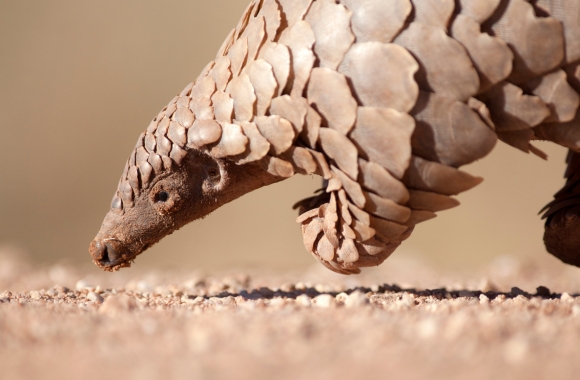
As World Pangolin Day approaches on February 21, conservationists are highlighting both the remarkable nature of these unique creatures and the urgent threats pushing all eight pangolin species toward extinction. Often called scaly anteaters, pangolins are the only mammals covered in hard, overlapping scales made of keratin—the same material found in human hair and nails.
These extraordinary animals have evolved fascinating survival strategies. When threatened, they curl into an impenetrable armored ball to protect themselves from natural predators like lions and leopards. Some species live entirely in trees, while others, including the massive giant ground pangolin, create elaborate underground burrows. Perhaps most remarkably, pangolins walk upright on their hind legs, using their tails for balance while keeping their powerful, long-clawed front limbs free for tearing open termite mounds—their preferred food source.
Unfortunately, pangolins' natural defenses prove useless against their greatest threat: human trafficking networks. Despite being listed on the highest level of international trade protection, pangolins have earned the tragic distinction of becoming the world's most trafficked mammal. Organized criminal syndicates transport pangolin scales alongside ivory, exotic animals, and precious metals to meet demand primarily in China and Southeast Asia.
The crisis has reached a tipping point as Asian pangolin populations near local extinction, forcing traffickers to target African populations with increasing intensity. However, hope emerges from West Africa, where countries have established specialized wildlife law enforcement task forces and adopted comprehensive strategies to combat trafficking networks. International support has strengthened training programs for judges, prosecutors, customs officials, and wildlife officers across the region, creating a more coordinated resistance against pangolin trafficking operations.
Source: Born Free USA
View on EarthAtlas