Ancient Feathered Dinosaurs Lost the Ability to Fly, Fossil Evidence Reveals
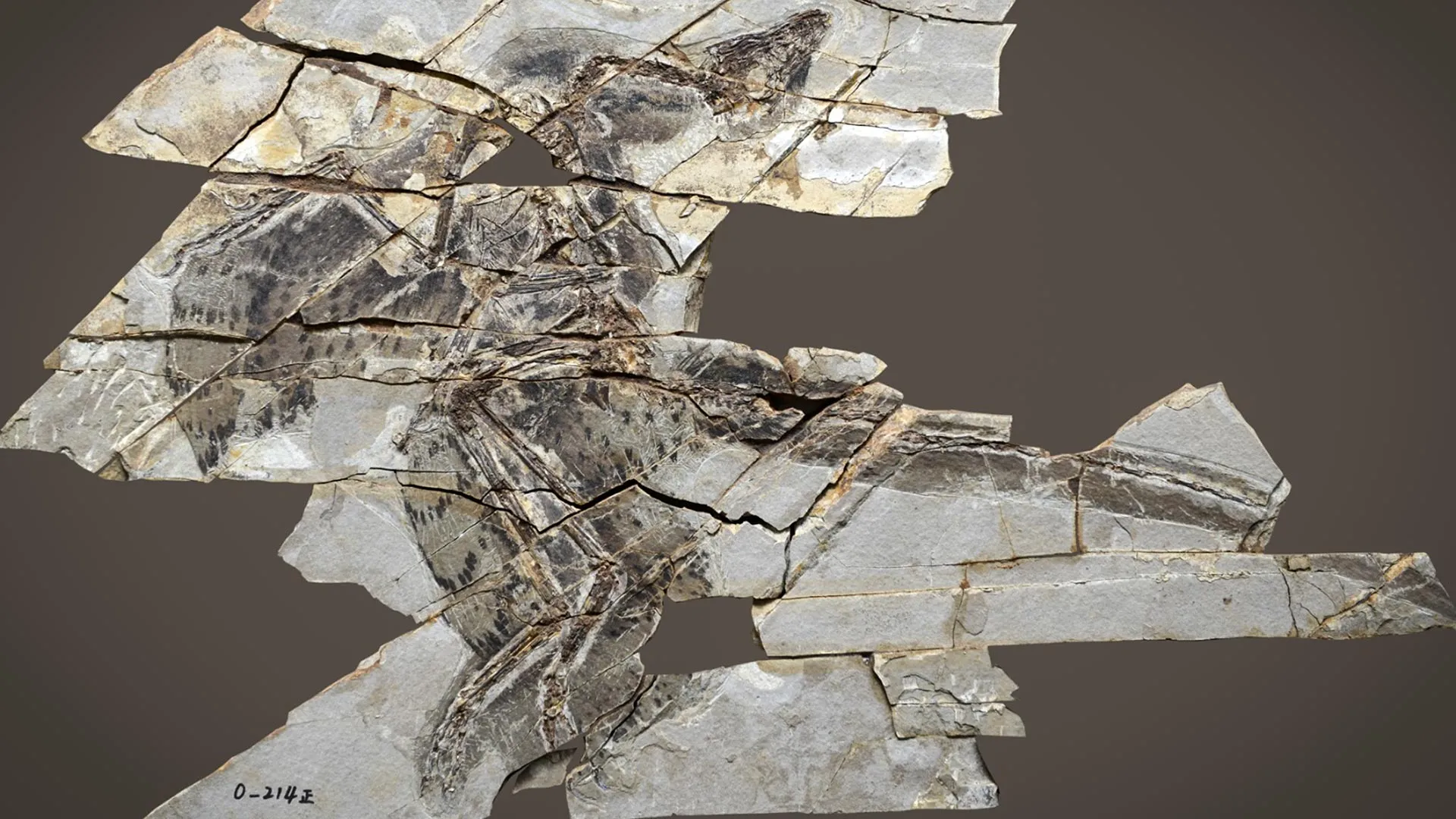
A groundbreaking analysis of exceptionally well-preserved dinosaur fossils has revealed that some ancient feathered species may have evolved flight capabilities only to abandon them later in their evolutionary history. The discovery centers on Anchiornis, a crow-sized dinosaur that lived approximately 160 million years ago during the Late Jurassic period.
Scientists made this remarkable finding by examining the molting patterns preserved in rare fossils that still contained intact feather structures. Unlike modern birds, which replace their flight feathers in a precise, symmetrical pattern to maintain their ability to stay airborne, Anchiornis displayed chaotic and irregular feather replacement. This disorganized molting pattern is characteristic of flightless birds today, such as penguins and ostriches, which can afford to lose multiple feathers simultaneously without compromising their survival.
The research suggests that flight evolution among early bird-like dinosaurs was far more complex than previously understood. Rather than a straightforward progression from ground-dwelling to flying creatures, some species appear to have experimented with powered flight before reverting to terrestrial lifestyles. This finding challenges traditional assumptions about the linear development of flight capabilities in the dinosaur-to-bird evolutionary pathway.
These insights into ancient molting behaviors provide a new window into understanding how early feathered dinosaurs lived and moved through their environments, offering crucial evidence about the intricate evolutionary journey that eventually led to modern birds.
Source: ScienceDaily — Birds
View on EarthAtlas