Deadly H5N1 Bird Flu Claims More Than 50 Antarctic Skuas in Continent's First Recorded Wildlife Die-Off
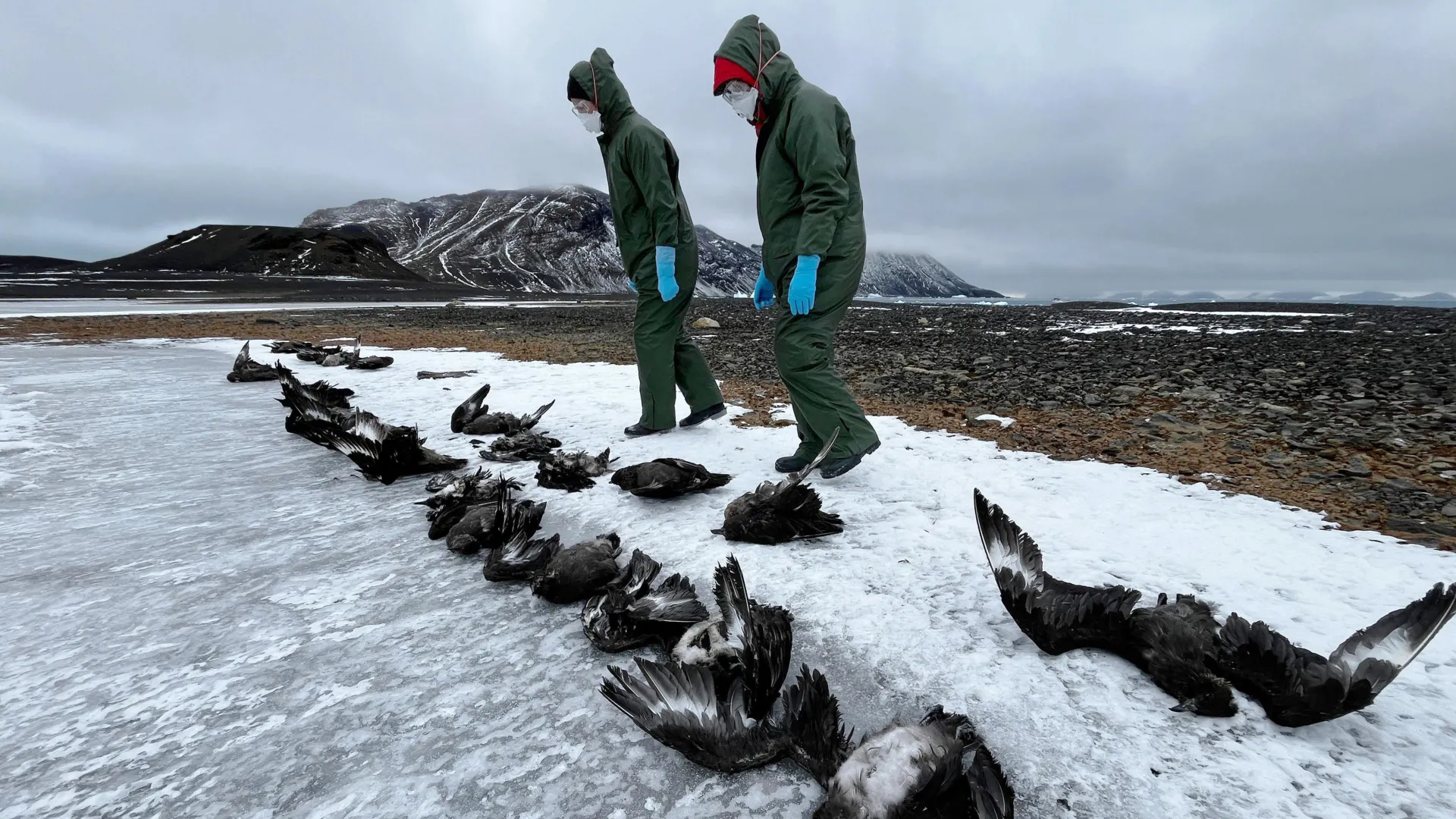
Antarctica has experienced its first confirmed wildlife die-off from H5N1 bird flu, with more than 50 skuas succumbing to the deadly virus during the 2023-2024 summer season. This marks a troubling milestone as the highly pathogenic avian influenza reaches one of Earth's most remote and pristine ecosystems.
The powerful seabirds displayed disturbing neurological symptoms before death, including twisted necks, disoriented circling behavior, and some even falling from the sky mid-flight. Researchers conducting expeditions in the region discovered the devastating scene, with Beak Island emerging as the primary site of the mass mortality event.
While scientists examined other Antarctic wildlife including penguins and fur seals for signs of infection, skuas bore the brunt of this outbreak. These aggressive, gull-like birds are known as the "pirates of the Antarctic" for their predatory behavior and ability to thrive in harsh polar conditions, making their vulnerability to H5N1 particularly concerning.
The arrival of bird flu in Antarctica represents a significant expansion of the virus's global reach, raising urgent questions about its potential impact on the continent's unique and isolated wildlife populations. Scientists are closely monitoring the situation to understand how this pathogen might affect Antarctica's delicate ecosystem balance and whether other species may be at risk in future breeding seasons.
Source: ScienceDaily — Birds
View on EarthAtlas