How Ants Conquered the World by Trading Individual Armor for Massive Armies
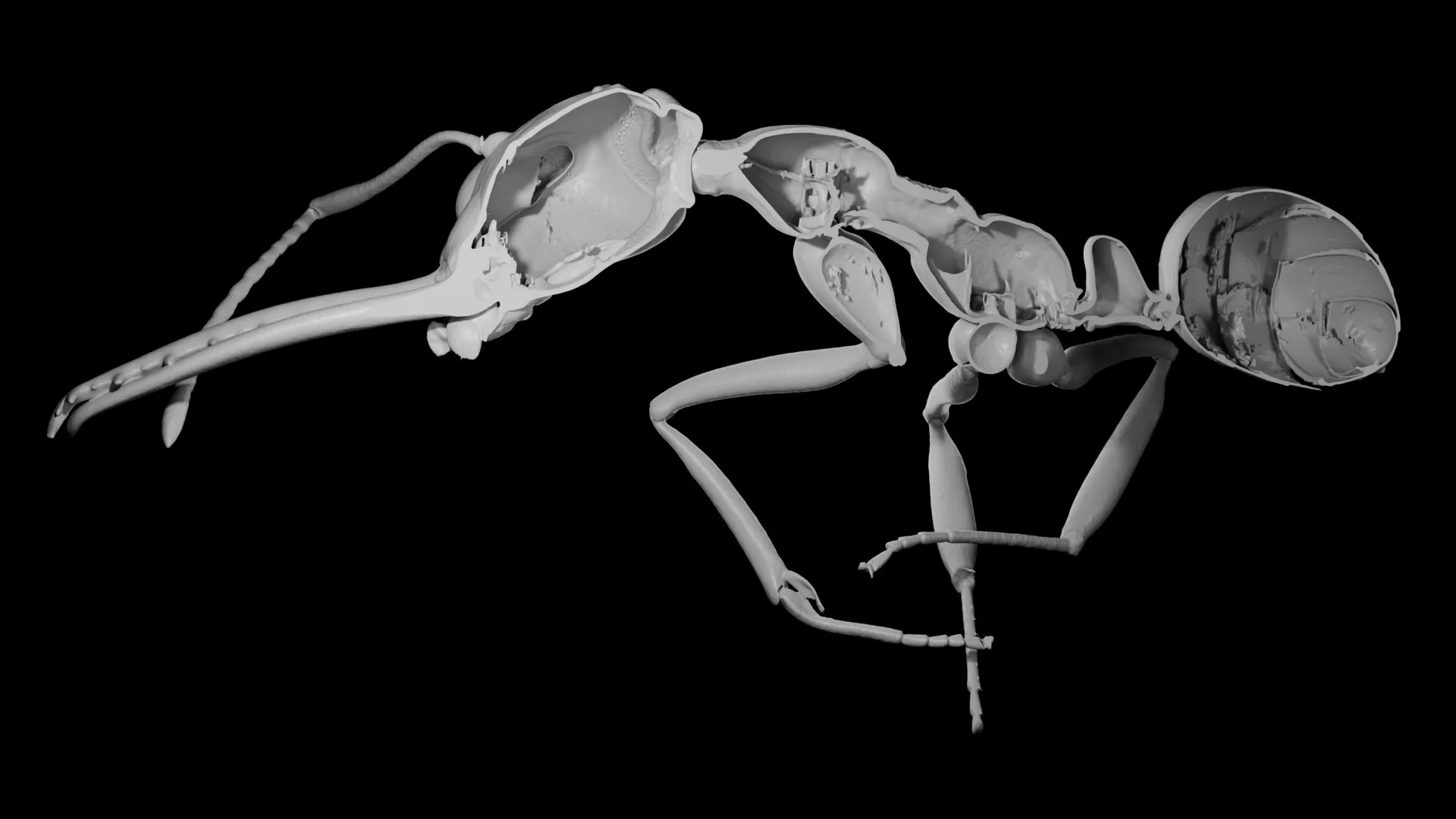
In the evolutionary arms race, some ant species discovered that quantity beats quality when it comes to survival. Rather than investing precious energy into heavily armored individual workers, these successful colonies chose a radically different strategy: produce massive numbers of lightly protected ants and rely on the power of collective action.
This "strength in numbers" approach has proven remarkably effective across diverse ant species. By reducing the resources spent on individual protection—thinner exoskeletons, lighter defensive structures—colonies can channel their energy into rapid reproduction and population growth. The result is sprawling supercolonies that can overwhelm challenges through sheer numerical advantage.
These enormous ant armies compensate for their individual vulnerability through sophisticated group behaviors. They coordinate complex foraging operations that can strip resources from vast territories, mount collective defenses that repel much larger predators, and establish multiple backup nests to ensure colony survival. When thousands or millions of workers move as one coordinated unit, individual weakness becomes collective strength.
The evolutionary payoff has been substantial. Research reveals that ant species employing this mass-production strategy show greater biodiversity and wider geographic distribution than their heavily-armored counterparts. By sacrificing individual protection for collective power, these industrious insects have become some of the planet's most successful and adaptable creatures, dominating ecosystems from tropical rainforests to urban environments.
Source: ScienceDaily — Birds
View on EarthAtlas