Pacific Island Fish Carry Microplastics in Their Tissues Despite Remote Ocean Location
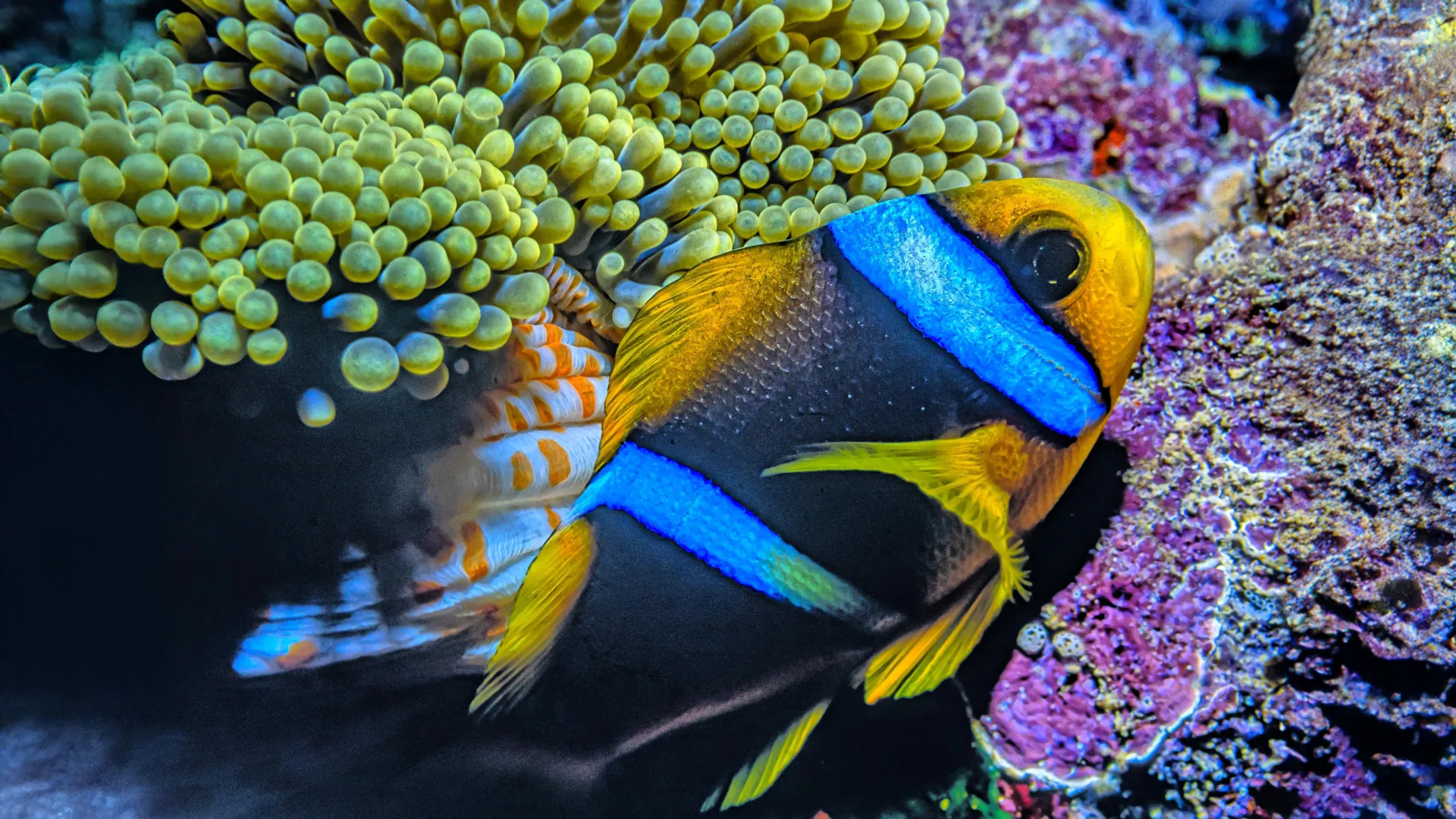
A comprehensive study of fish populations around four Pacific island nations has revealed alarming levels of microplastic contamination, even in waters thousands of miles from major industrial centers. Researchers analyzing fish caught near Fiji, Tonga, Tuvalu, and Vanuatu discovered that approximately one-third of all specimens contained tiny plastic particles in their tissues.
The findings highlight how pervasive ocean plastic pollution has become, reaching even the most isolated marine ecosystems. Fiji's waters showed particularly concerning contamination levels, suggesting that local currents and waste management practices may concentrate plastic debris in certain areas. The study found that a fish's lifestyle and habitat strongly influenced its exposure risk, with reef-dwelling species and bottom-feeders showing the highest contamination rates.
This pattern makes biological sense, as microplastics tend to settle on the ocean floor and accumulate around coral reef structures where many fish species forage for food. Bottom-dwelling fish that sift through sediment for prey are especially vulnerable to ingesting plastic particles, while reef fish may mistake colorful plastic fragments for natural food sources like algae or small invertebrates.
The research underscores a troubling reality: even Pacific islands with relatively small populations and limited industrial activity cannot escape the global reach of plastic pollution. Ocean currents carry microplastics across vast distances, meaning that marine life in pristine-appearing waters may still face significant contamination from plastic waste generated continents away.
Source: ScienceDaily — Birds
View on EarthAtlas