Six Decades of Great Tit Research Shows How Extreme Weather Devastates Baby Birds
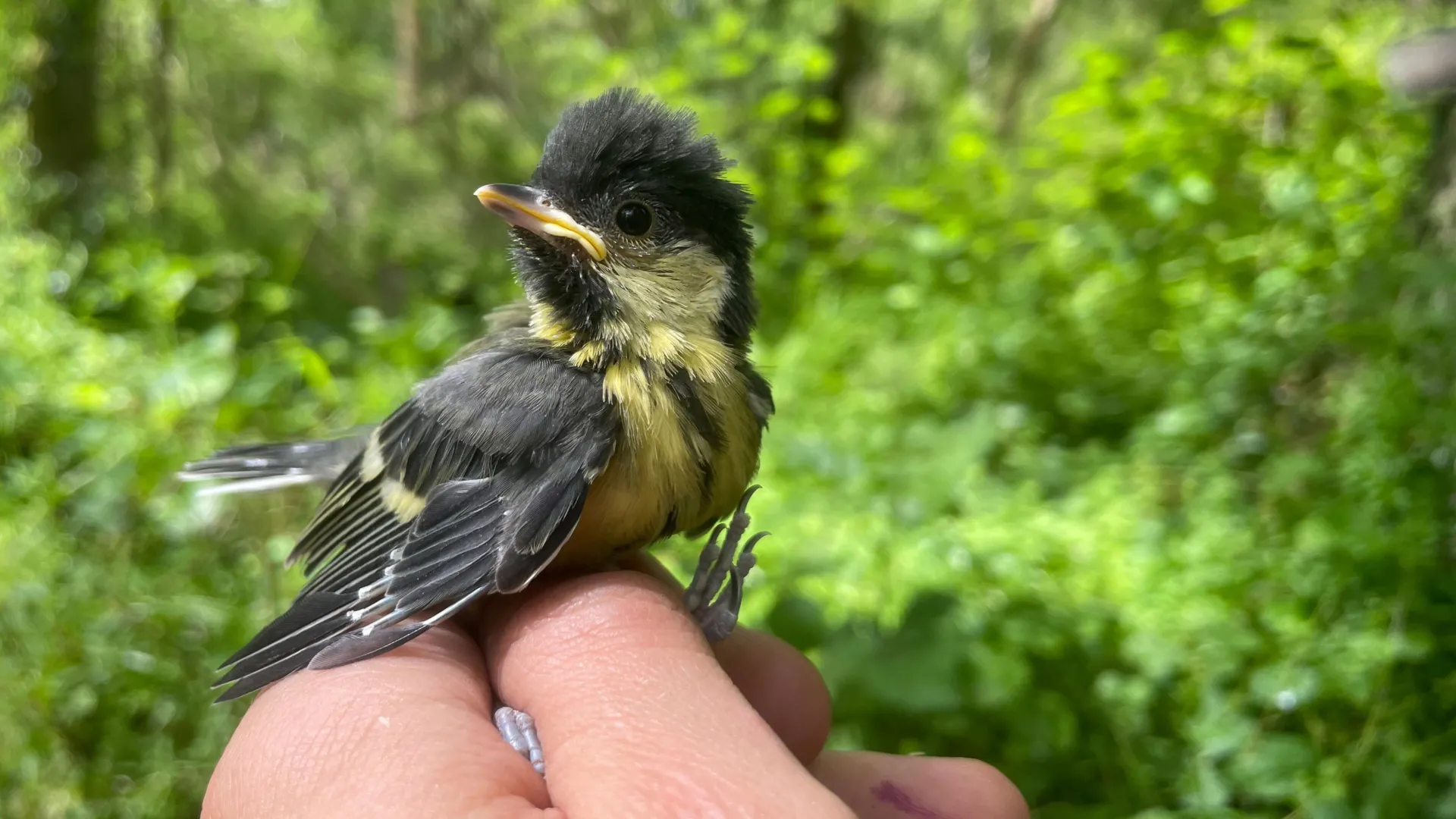
A groundbreaking 60-year study tracking more than 80,000 great tits has revealed the profound ways extreme weather events shape the survival of nestling birds. The comprehensive research demonstrates that timing is everything when it comes to weather impacts on developing chicks.
Cold snaps occurring shortly after hatching prove particularly devastating to newborn great tits, dramatically reducing their body mass and slashing their chances of survival. Heavy rainfall during later stages of development creates equally harsh conditions, leaving young birds smaller and weaker as they prepare to fledge. These weather extremes create a cascade of problems, from reduced parental foraging success to increased energy demands on vulnerable chicks.
However, the study also uncovered a surprising positive finding: moderate warm spells can actually benefit growing nestlings. These gentler temperature increases boost insect activity across the landscape, creating abundant feeding opportunities that help chicks pack on crucial weight and strength. The key appears to be moderation – too much heat can be as harmful as cold, but just the right amount of warmth creates ideal conditions for rapid growth.
Perhaps most importantly, the research identified a critical survival strategy already employed by some bird populations. Great tits that begin breeding earlier in the season appear to offer their offspring better protection from weather-related threats. This earlier timing may allow chicks to complete their most vulnerable development stages before the arrival of severe summer storms or late-season temperature swings that have become increasingly common with changing climate patterns.
Source: ScienceDaily — Birds
View on EarthAtlas