Wildlife Rescue Efforts for Slow Lorises Face Deadly Challenge in Release Programs
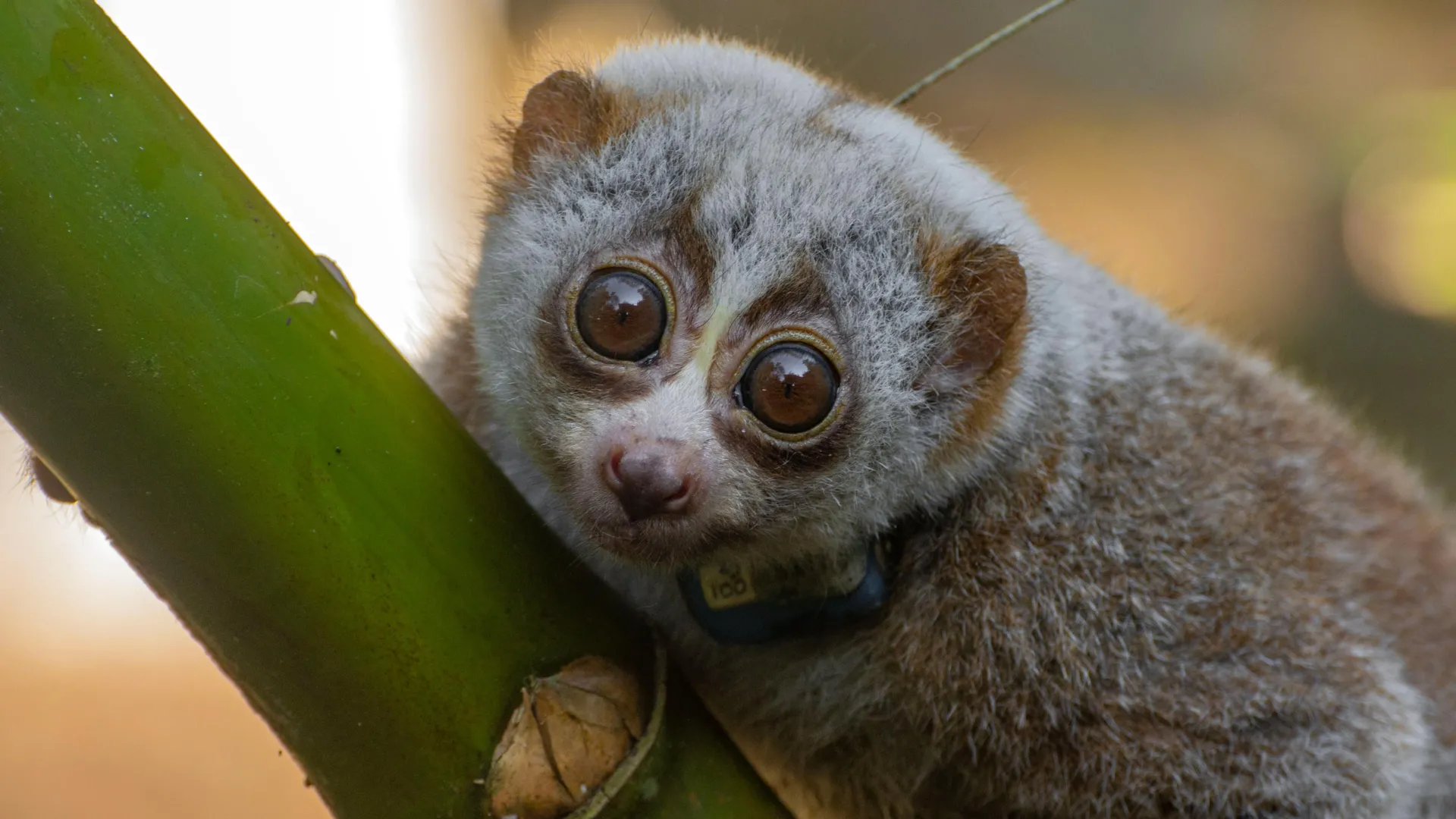
A troubling discovery in primate conservation reveals that returning rescued slow lorises to their natural habitats may inadvertently sentence them to death. New research tracking the fate of nine released slow lorises found that only two animals survived their return to the wild, with the majority falling victim to violent territorial disputes with established loris populations.
The findings highlight a critical gap in current wildlife rehabilitation practices. While rescuing slow lorises from illegal pet trade and habitat destruction represents an important conservation effort, the study demonstrates that simply releasing these endangered primates back into the wild without proper planning can prove fatal. Most deaths occurred when released animals encountered resident slow lorises defending their territories, leading to aggressive confrontations that the newcomers could not survive.
Slow lorises, small nocturnal primates native to Southeast Asia, face mounting pressure from deforestation and capture for the exotic pet trade. Their distinctive large eyes and seemingly docile nature make them popular targets for traffickers, despite their protected status and the fact that they possess a venomous bite as their only defense mechanism.
The research underscores the urgent need for more sophisticated release protocols in slow loris conservation programs. Wildlife experts emphasize that successful reintroduction requires careful site selection, behavioral assessment of rescued animals, and thorough evaluation of existing territorial boundaries to prevent deadly encounters. Without these improvements, well-intentioned rescue efforts may fail to meaningfully contribute to the species' recovery.
Source: ScienceDaily — Birds
View on EarthAtlas