Monarch Butterfly Tagging Shows No Harm to Survival Rates, New Research Reveals
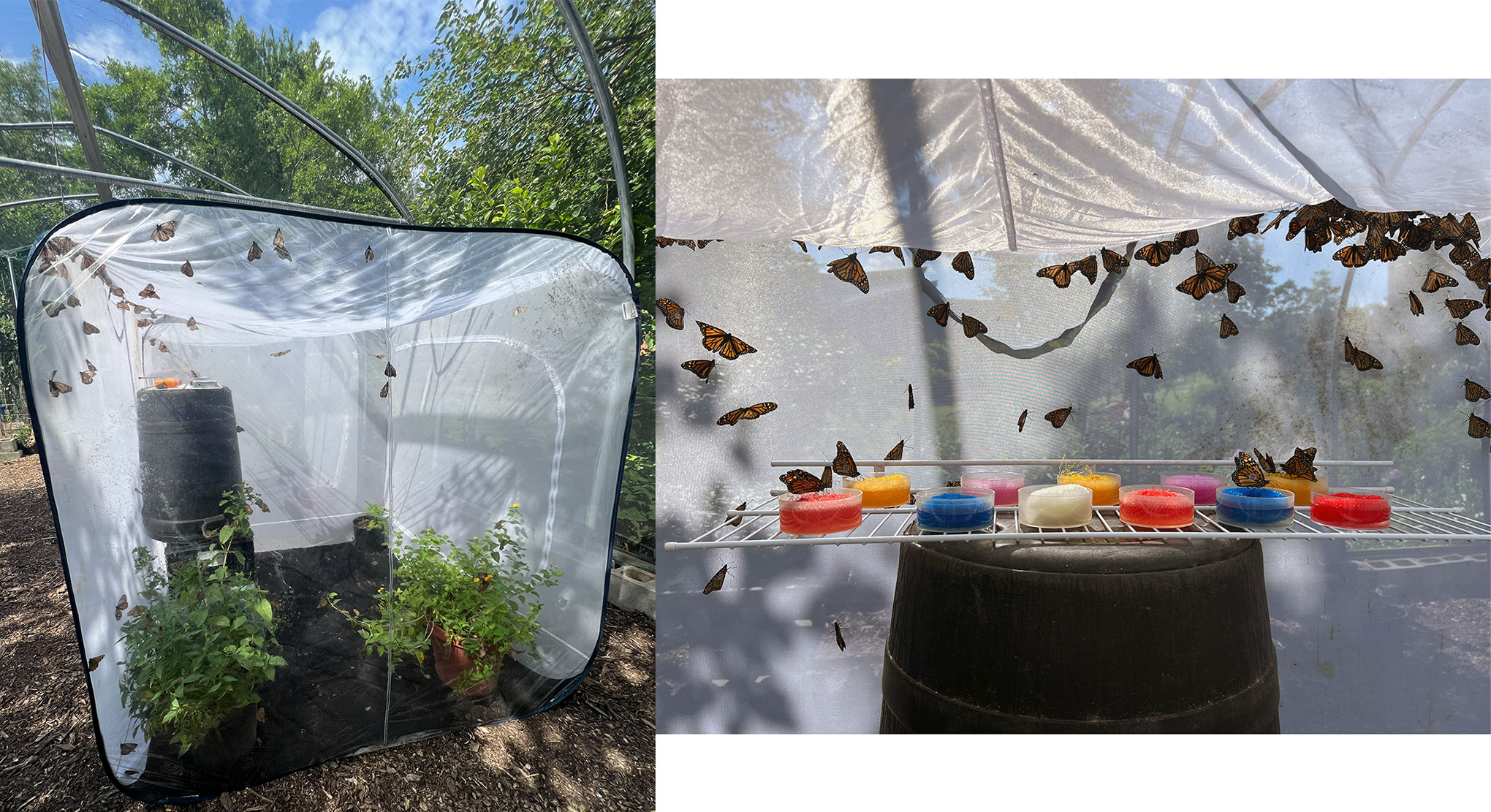
As autumn migration season approaches, wildlife researchers are addressing growing concerns about whether tagging monarch butterflies causes harm to these iconic pollinators. A comprehensive survival study conducted during the previous summer has provided reassuring evidence that tagging practices do not negatively impact monarch longevity.
The research compared survival rates between tagged and untagged monarch populations, examining both male and female butterflies throughout their lifecycle. Results showed no statistically significant difference in survival rates between the two groups, suggesting that current tagging methodologies are safe for the insects. This finding is particularly important given the critical conservation status of monarch butterflies, whose populations have declined dramatically over recent decades.
Butterfly tagging serves as a crucial tool for tracking migration patterns, population dynamics, and habitat usage across North America. The tiny adhesive tags allow researchers to monitor individual butterflies as they travel thousands of miles during their epic journey from breeding grounds in Canada and the northern United States to overwintering sites in Mexico. This data proves invaluable for conservation efforts, helping scientists identify critical stopover habitats and understand how environmental changes affect migration success.
The research comes at a time when monarch conservation has become increasingly urgent. Understanding that tagging doesn't compromise butterfly survival allows researchers to continue collecting vital data needed to protect remaining populations and their habitats throughout the monarch's range.
Source: Monarch Watch Blog
View on EarthAtlas