Winter Olympics Leave Behind Mountains of Plastic Waste Threatening Marine Ecosystems
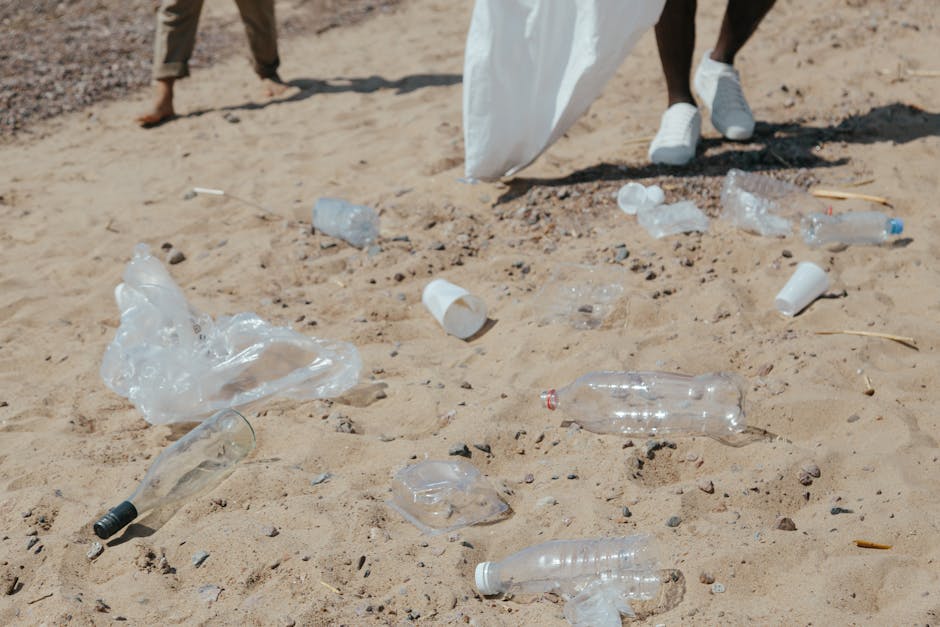
While millions watched athletes compete for gold at this year's Milano Cortina Winter Olympics and Paralympics, a less visible competition was taking place behind the scenes—one between sustainability promises and single-use plastic reality. The games generated massive amounts of plastic waste, much of which will eventually find its way into waterways and oceans, posing serious threats to marine life including dolphins, whales, and countless other species.
Major beverage corporations distributed their products exclusively in single-use plastic bottles throughout the venues, despite readily available alternatives like reusable containers and refillable stations. This decision highlights a troubling disconnect between the Olympic movement's stated environmental commitments and actual practices on the ground.
The environmental impact extends far beyond the mountain venues. Plastic waste from large-scale events like the Olympics often travels through river systems into coastal waters, where it breaks down into microplastics. These tiny particles enter the marine food chain, affecting everything from plankton to apex predators. Dolphins and other marine mammals are particularly vulnerable, as they can mistake larger plastic debris for food or become entangled in discarded materials.
The irony is stark: while celebrating human athletic achievement, these global sporting events continue contributing to the degradation of natural ecosystems that support countless species. With better planning and corporate responsibility, major international competitions could demonstrate genuine environmental leadership rather than perpetuating harmful waste practices that threaten marine biodiversity for generations to come.
Source: Oceana
View on EarthAtlas