Major Wildlife Protection Wins at International Trade Conference Safeguard African Species
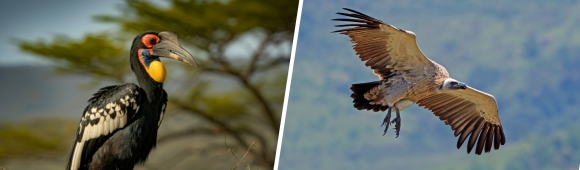
The 20th Conference of the Parties to CITES delivered significant victories for African wildlife conservation, with new protections established for several endangered species threatened by international trade.
In a landmark decision, eight African nations successfully secured CITES Appendix II protection for seven African hornbill species. These remarkable birds serve as crucial seed dispersers, playing an essential role in maintaining Africa's forest ecosystems. The new regulations will strictly monitor and control international trade in hornbill parts, particularly their distinctive skulls and colorful feathers, which face growing demand in markets across the United States, Europe, and China. Recent large-scale seizures of hornbill heads highlight the urgent need for these protections, which will also help close enforcement loopholes that have complicated efforts to protect already-listed Asian hornbill species.
African vultures received strengthened protections as two critically endangered species—white-backed and Rüppell's vultures—were moved from Appendix II to Appendix I status. This upgrade completely prohibits international commercial trade in these species, recognizing their vital ecological role as nature's cleanup crew. Vultures prevent disease spread and water contamination by removing carcasses from the environment, making their conservation crucial for ecosystem health.
The conference also defended existing protections for Africa's most iconic megafauna. Proposals from Southern African states that would have weakened trade restrictions on elephants, rhinos, and giraffes were successfully defeated. These attempts could have reopened devastating ivory and rhinoceros horn trade while eliminating giraffe protections across eight African nations.
Source: Born Free USA
View on EarthAtlas