Wildlife Conservation Gains Momentum as 2026 Brings Ocelot Recovery and Elephant Protection Victories
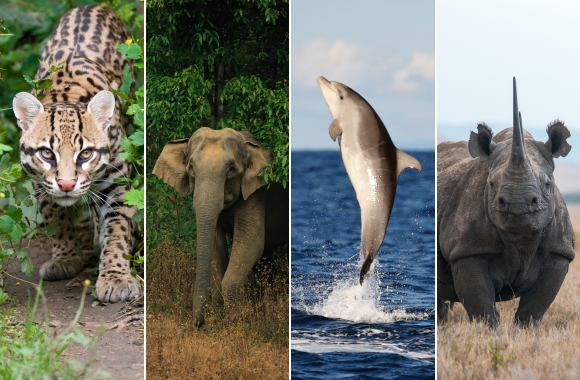
As 2026 begins, wildlife conservationists are celebrating significant victories that signal growing momentum for protecting endangered species across the globe. From rare wild cats making a comeback to landmark policy changes protecting elephants, these developments offer genuine hope for the future of wildlife conservation.
In South Texas, the critically endangered ocelot population is showing promising signs of recovery after decades of decline. Recent trail camera footage from Laguna Atascosa National Wildlife Refuge captured confirmed sightings of these elusive spotted cats, marking a potential turning point for a subspecies that has fewer than 100 individuals remaining in the wild in the United States. The ocelot population had been devastated by historic hunting, habitat loss, and fragmentation, making these new sightings particularly significant for conservation efforts in the Southwest.
Meanwhile, Indonesia has implemented a groundbreaking ban on elephant riding across all its territories, including popular tourist destinations in Bali and Sumatra. This comprehensive policy eliminates a practice that caused severe physical and psychological harm to captive elephants, including spinal injuries and chronic stress from abusive training methods. Facilities that continue offering elephant rides now risk losing their operating permits entirely. The ban represents a major shift toward ethical wildlife tourism, encouraging observation-based experiences that allow elephants to exhibit natural behaviors without the constant stress of forced human interaction. This policy change not only protects individual animals but also makes it easier for tourists to make ethical choices when seeking wildlife experiences.
Source: Born Free USA
View on EarthAtlas