Wildlife Trafficking Training Program Empowers West African Customs Officials With Hands-On Species Identification
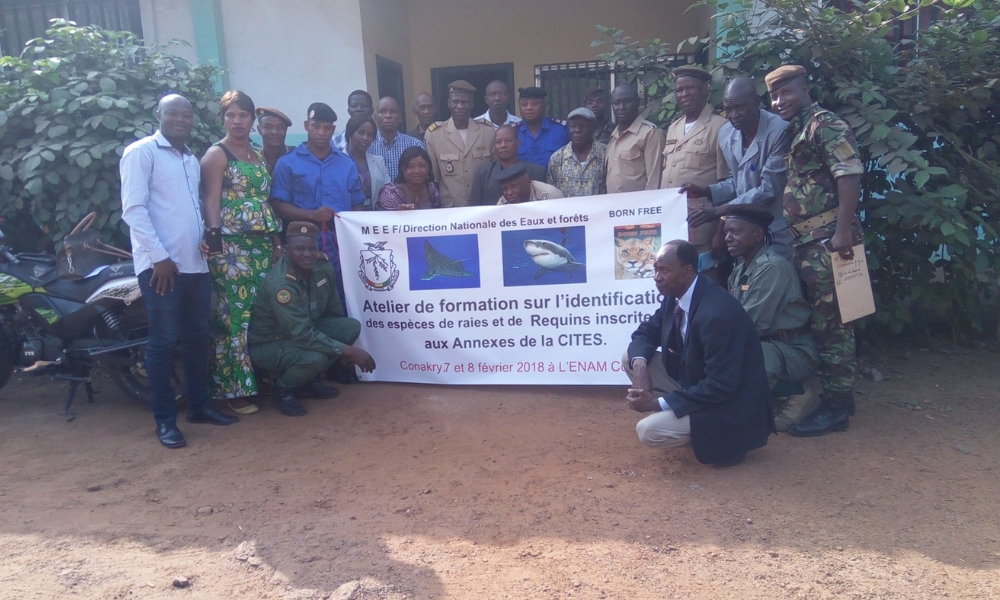
A groundbreaking wildlife law enforcement training program in West Africa is making significant strides in combating illegal animal trafficking by giving customs officials direct experience with seized specimens. The intensive week-long courses, which have trained over 1,500 customs agents, park rangers, border guards, prosecutors, and judges throughout the region, focus on teaching participants to identify illegally trafficked wildlife and wildlife parts.
The training sessions provide a rare hands-on learning opportunity that is typically unavailable in wildlife law enforcement education. Participants work directly with confiscated shark fins, fish bladders, and sea turtle parts seized from wildlife traffickers, learning to distinguish between endangered species and those legal to export. This tactile experience proves invaluable, as traffickers often process animals in remote locations, keeping only the most valuable parts while discarding the rest of the carcass.
The program addresses a critical gap in wildlife protection enforcement across West Africa, where customs officials must make split-second decisions about suspicious shipments at borders and ports. Learning to differentiate between the fin of an endangered shark species and one that is legal to export requires expertise that can only be developed through direct exposure to actual specimens. The training employs a train-the-trainer model, meaning participants return to their home countries equipped to educate additional customs agents, multiplying the program's impact across the region.
This comprehensive approach to wildlife law enforcement training has already resulted in numerous successful seizures of illegally trafficked wildlife and arrests of poachers and traffickers attempting to reach international export markets.
Source: Born Free USA
View on EarthAtlas