World's Most Trafficked Mammal Faces Extinction as Criminal Networks Target Africa's Remaining Pangolins
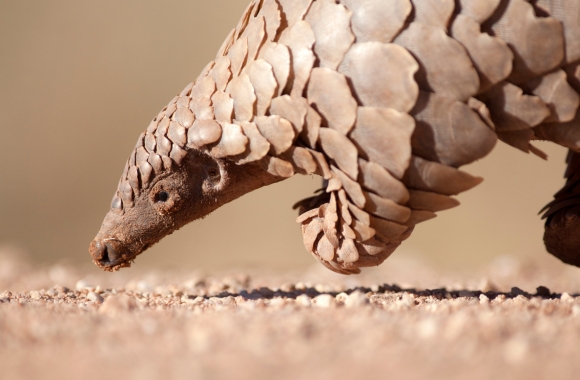
Eight species of pangolins, often called scaly anteaters, roam the forests and savannas of Africa and Asia, but their unique armor may not be enough to save them from becoming the world's most trafficked mammal. These remarkable creatures are the only mammals covered in hard, overlapping scales made of keratin—the same material found in human hair and nails. When threatened by natural predators like lions and leopards, pangolins curl into an impenetrable armored ball, a defense mechanism that has served them well for millions of years.
Pangolins display fascinating behaviors that set them apart from other mammals. They walk upright on their hind legs, using their tails for balance while keeping their powerful, long-clawed front limbs free for their primary purpose: tearing open termite mounds. These insectivorous animals are nature's pest controllers, consuming thousands of termites and ants daily. Some species live in trees, while others, like the giant ground pangolin, inhabit underground burrows.
Despite legal protections that prohibit international commercial trade, organized criminal networks continue to devastate pangolin populations. The crisis has shifted dramatically toward Africa as Asian pangolin populations near local extinction, unable to meet the persistent demand from traditional medicine markets in China and Southeast Asia. Traffickers operate sophisticated transnational operations, moving pangolin scales alongside ivory, big cats, and other illegal wildlife products.
However, hope emerges from West Africa, where countries have established specialized Wildlife Law Enforcement Task Forces since 2018. These multi-agency units represent a coordinated resistance against criminal organizations that once operated with impunity, marking a crucial turning point in the fight to save these ancient, armor-plated survivors.
Source: Born Free USA
View on EarthAtlas