Legendary Primatologist Jane Goodall to Receive Posthumous Documentary Industry Award for Wildlife Conservation Impact
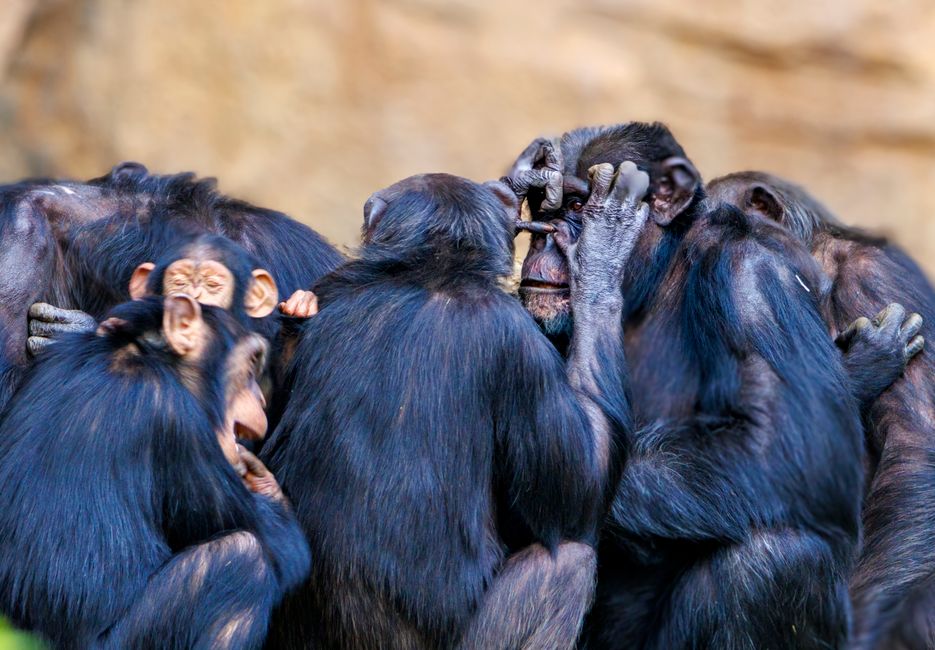
The groundbreaking scientist who revolutionized our understanding of chimpanzees and transformed wildlife conservation will be honored posthumously with the Realscreen Action Award in February 2026. Dr. Jane Goodall, the world-renowned ethologist who passed away in October, will receive the recognition for her extraordinary contributions to wildlife documentaries and conservation education spanning over six decades.
Dr. Goodall's pioneering research with wild chimpanzees in Tanzania's Gombe Stream National Park beginning in the 1960s not only redefined scientific understanding of primate behavior but also created a new genre of wildlife storytelling. Her work became the subject of more than 40 documentaries and films, starting with the 1965 National Geographic special "Miss Goodall and the Wild Chimpanzees" and continuing through acclaimed recent productions like the 2017 documentary "Jane."
The award recognizes individuals whose documentary work has driven meaningful social impact and positive change. Dr. Goodall's decades of field research revealed the complex social structures, tool use, and individual personalities of chimpanzees, fundamentally changing how humans view our closest living relatives. Her observations showed that chimpanzees make and use tools, have distinct personalities, and form intricate social bonds—discoveries that challenged the very definition of what makes humans unique.
Beyond scientific research, Dr. Goodall became a global advocate for community-centered conservation and biodiversity protection. Her approach emphasized working with local communities to protect habitats while improving human lives, creating sustainable solutions that benefit both wildlife and people. Through her continued involvement in documentary production until her passing, she ensured that conservation messages reached millions of viewers worldwide, inspiring new generations of environmental stewards.
Source: Jane Goodall Institute
View on EarthAtlas