Major Wildlife Protection Victories Secured at Global Trade Conference as African Species Gain Enhanced Safeguards
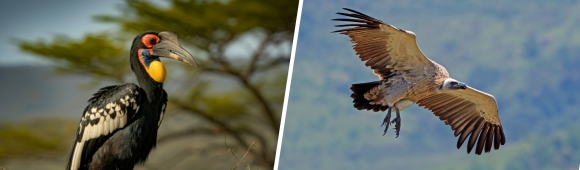
International wildlife conservation achieved significant victories at the recent 20th Conference of the Parties to CITES, where nations strengthened protections for several African species facing mounting pressure from illegal trade. The landmark decisions represent a coordinated effort by West African nations to address the growing threats to their biodiversity.
Seven African hornbill species received new protections under CITES Appendix II, ensuring that international trade in these forest guardians will now be strictly monitored and regulated. These remarkable birds serve as essential seed dispersers, playing a critical role in maintaining Africa's forest ecosystems. The species have faced declining populations due to international demand for their distinctive skulls and colorful feathers, with recent large-scale seizures highlighting trafficking routes to markets in the United States, Europe, and China. The new protections also address enforcement challenges, as African hornbill parts often closely resemble those of already-protected Asian species, making illegal trade detection more difficult.
African vultures received even stronger protections, with critically endangered white-backed and Rüppell's vultures upgraded from Appendix II to Appendix I status. This change completely prohibits international commercial trade in these species, recognizing their vital ecological role as nature's cleanup crew. These scavengers prevent disease spread and water contamination by removing carcasses from the environment.
The conference also successfully defended existing protections for Africa's most iconic species. Proposals to weaken trade restrictions on elephants, rhinoceros, and giraffes were all rejected, maintaining crucial safeguards against ivory trafficking and other forms of exploitation that have devastated these populations across the continent.
Source: Born Free USA
View on EarthAtlas