Viral Japanese Macaque Highlights Welfare Concerns in Zoo Captivity
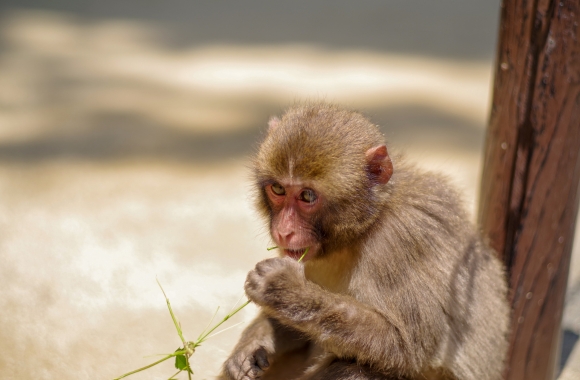
A baby Japanese macaque named Punch at Ichikawa City Zoo in Japan has become an unlikely internet sensation, but his story illuminates serious concerns about animal welfare in captive environments. Born during a heat wave and subsequently rejected by his mother after a difficult labor, Punch was hand-raised by zookeepers for his first six months before being introduced to the troop in January 2026.
Since joining the other macaques, Punch has struggled with social integration, often clinging to zookeepers or isolating himself from the group while being bullied by other monkeys. To comfort him, zoo staff provided a stuffed orangutan toy that he carries constantly—an image that has captured global attention and sympathy online. However, this viral fame has created unintended consequences, with visitor numbers more than doubling and overwhelming the facility's capacity.
The situation highlights broader issues with captive wildlife environments. Punch lives in the concrete "Monkey Mountain" enclosure housing 56 Japanese macaques, which offers limited natural elements for species-specific behaviors. While maternal abandonment occurs naturally in wild macaque populations, the confined space prevents Punch from escaping harassment and exacerbates social tensions within the artificially crowded group.
The viral attention has also sparked concerning interest in the exotic pet trade, with some social media personalities publicly offering large sums to acquire Punch. This pattern frequently follows viral animal stories, creating demand that fuels wildlife trafficking and private ownership of species unsuited for domestic life.
Source: Born Free USA
View on EarthAtlas