Wildlife Conservation Gains Momentum as 2026 Brings Ocelot Recovery Signs and Indonesian Elephant Protection Ban
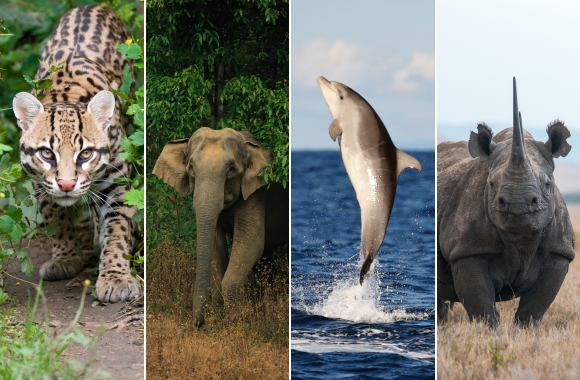
As 2026 begins, wildlife conservationists are celebrating significant developments that signal positive momentum for endangered species protection. Two major stories highlight the year's promising start: encouraging ocelot population recovery in the United States and groundbreaking elephant welfare legislation in Indonesia.
In South Texas, recent trail camera footage has captured rare ocelot sightings at the Laguna Atascosa National Wildlife Refuge, offering hope for one of North America's most endangered wild cats. The federally endangered subspecies Leopardus pardalis albescens has faced decades of decline due to habitat loss, fragmentation, and human interference. With fewer than 100 individuals estimated to remain in the wild across the United States, these confirmed sightings represent a potentially crucial turning point for the species' recovery efforts in their northernmost range.
Meanwhile, Indonesia has implemented a comprehensive ban on elephant riding across all its territories, including popular tourist destinations in Bali and Sumatra. The landmark legislation prohibits the practice at all facilities, from zoos to safari parks, marking a significant victory for animal welfare advocates. The ban addresses severe physical and psychological damage inflicted on captive elephants, including spinal injuries and chronic stress from forced human interactions. Facilities violating the new regulations face the loss of their operating permits, encouraging a shift toward ethical, observation-based wildlife tourism that allows elephants to exhibit natural behaviors without harmful human contact.
These developments reflect growing global awareness of wildlife conservation needs and demonstrate how policy changes can create meaningful protection for endangered species facing mounting environmental pressures.
Source: Born Free USA
View on EarthAtlas