Wildlife Conservation Heroes Face Overwhelming Challenges in Post-Conflict West Africa
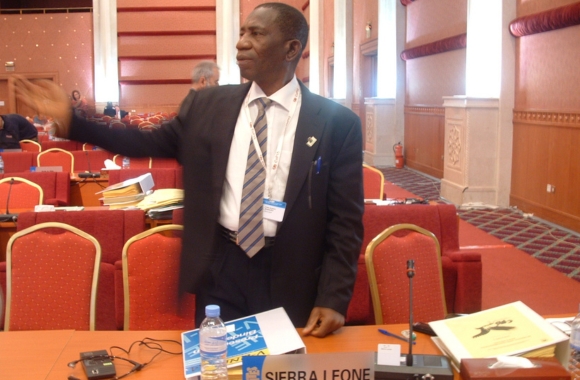
In the war-torn landscapes of West Africa, wildlife conservation often depends on the dedication of individuals working with almost no resources. Sierra Leone, still rebuilding after years of civil conflict, exemplifies the tremendous challenges facing those trying to protect endangered species from trafficking networks.
The country's wildlife enforcement infrastructure reveals the stark reality of conservation work in developing nations. Government wildlife officials operate from bare-bones offices with intermittent electricity, relying on internet cafes when they need computer access. Seized elephant tusks and other confiscated specimens are stored in simple metal lockers, serving as training materials for understaffed ranger programs. When poaching incidents are reported, rangers must travel on foot to remote locations, often taking days to reach crime scenes where traffickers have long since disappeared.
Despite these overwhelming obstacles, dedicated conservationists continue their vital work protecting West Africa's remaining wildlife populations. The Born Free Foundation and other organizations have provided modest but crucial support, including bicycles to help rangers respond more quickly to illegal activities. These small improvements demonstrate how targeted assistance can significantly enhance conservation efforts in resource-poor regions.
The story highlights both the vulnerability of wildlife in post-conflict zones and the remarkable commitment of local conservation workers who persist despite inadequate pay, dangerous conditions, and limited resources. Their efforts represent a critical frontline in the global fight against wildlife trafficking, particularly the illegal trade in live chimpanzees and elephant ivory that continues to threaten West Africa's biodiversity.
Source: Born Free USA
View on EarthAtlas