Wildlife Training Programs Combat Illegal Animal Trafficking Through Hands-On Education for Customs Officials
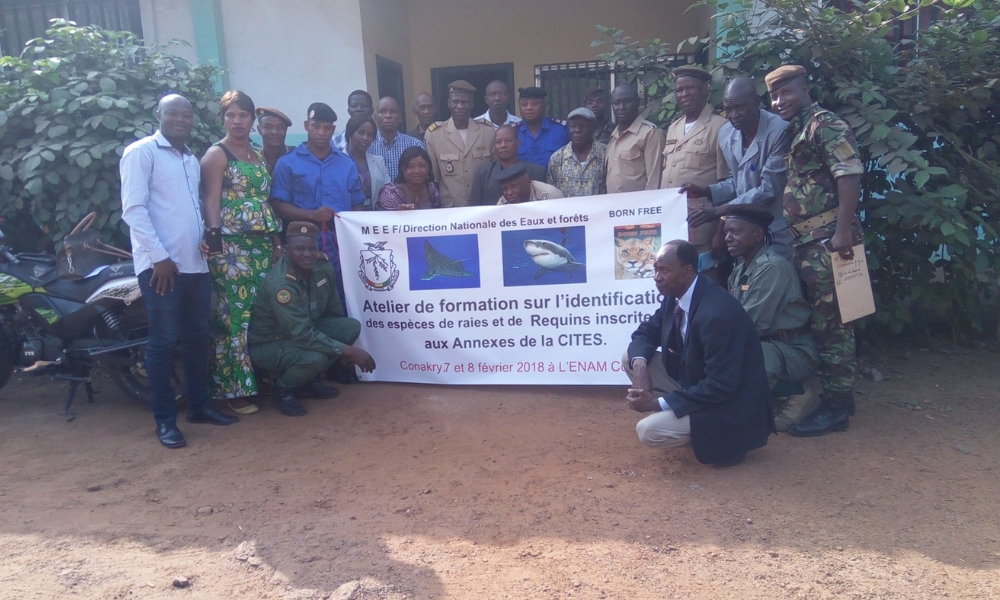
In a stuffy conference room in Dakar, Senegal, customs officials gathered around coolers filled with confiscated shark fins, sea turtle parts, and fish bladders - evidence from wildlife trafficking operations. This unusual classroom scene represents a critical front in the global fight against illegal wildlife trade, where hands-on training makes the difference between contraband slipping through borders and successful seizures.
The challenge facing customs agents and border guards is enormous: distinguishing between legally traded animal products and parts from endangered species, often when they've never encountered the real specimens before. Learning to identify the fin of a protected shark species versus a legally harvested one requires more than field guides - it demands tactile experience with actual confiscated materials, regardless of the increasingly pungent odors that develop during week-long intensive training sessions.
These specialized training programs have proven remarkably effective across West Africa, where more than 1,500 customs agents, park rangers, border guards, prosecutors, and judges have learned to recognize illegally trafficked wildlife. The comprehensive approach includes detailed identification guides and expert mentoring panels that continue supporting enforcement officials long after initial training concludes. While the work involves enduring the smell of decomposing specimens in hot, humid conditions, the results speak volumes: numerous successful seizures of trafficked wildlife and arrests of poachers and smugglers who supply illegal international markets.
The training represents a practical approach to conservation - working within existing legal frameworks while building the expertise needed to enforce wildlife protection laws effectively at critical border checkpoints where much illegal trade occurs.
Source: Born Free USA
View on EarthAtlas